
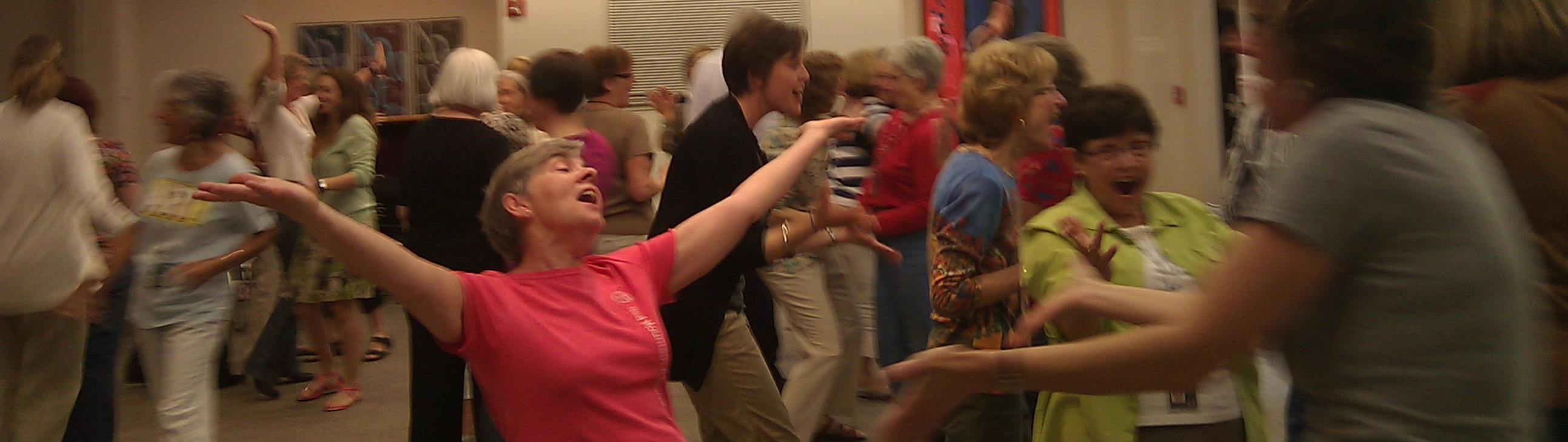
“Do you think you’re creative?” Ask this question of a group of second-graders, and about 95 percent of them will answer “Yes.” Three years later, when the kids are in fifth grade, that proportion will drop to 50 percent—and by the time they’re seniors in high school, it’s down to 5 percent.” – Annie Murphy Paul
When we approach guests about appearing on our show or talk with people before a workshop, they often are very upfront about how nervous they are. “Don’t call on me to speak,” or “I’ll be okay, as long as I don’t have to be funny,” are usual responses. The epigraph at the start of this post highlights that as we get older, we feel less and less creative. By the time we’re adults, it can feel like most of the creative wind has left our sails. This can come from being siloed in our work lives and leaving creative tasks to “the professionals.” While most people have a fear of speaking in front of others, we like to show them that there’s nothing to worry about.
At the start of our workshops, we know that people may be antsy. In some cases, they’ve made a big first step by setting foot in an improv class. For others, they may have been forced to be there. Whatever their background, before we do anything else, we need to build trust. During our session, they’re going to be saying and doing things that in the outside world might get them locked up. Most people are conditioned to shy away from failure and to keep a modicum of poise at all times. We need to shatter these barriers and let them experiment, try new things and be a little silly. In order to do that, they need to trust one another. The first activities we lead them through are designed to make them more comfortable and remove status so that they’re all equals.
For example, one of our favorite ice breakers is a game called, “Loser Ball.” There are only a few rules to the game. Everyone needs to stand in a circle and one person at a time will throw an imaginary ball to another in the circle and that person must fail at catching it. No matter what, they must pretend to drop it, have it go over their head or get lost in the sun. The final rule, is that everyone else must be super supportive and cheer and congratulate them on their good attempt. In that short time, we’ve shown everyone that it’s all right to fail and that everyone will be supportive of your efforts.

With everyone comfortable and on equal footing, we go onto the more complicated activities. While people may be ready to try new things, they still may not be ready to be creative. An inkling is still in the back of their mind that they’re not good at coming up with new ideas. To solve that, we provide activities which they not only excel at, but get to be hilarious in the process. Part of it, is making easy requests of them and then building up to more complicated asks. So for starters, we might ask them to tell a one word story with their group. In this, everyone tells a story, but each person only gets to say one word at a time. Simple, right? Then we’ll move onto sentences, or activities involving much more dialogue. By the end, people are inventing new ideas and being funny when an hour earlier the thought of doing that might have terrified them.
The overall goal is to show people how to reignite that creative spark that’s simmering inside of them. Some people are more difficult to break out of their shell than others, but overall people are surprised and amazed by the talent that they’re capable of. It’s really a joy take people from A to B in these workshops and help take go back to the second grade when we all thought that we were creative.



 The Theater of Public Policy
Sign up for the T2P2 e-newsletter - send us your email address!